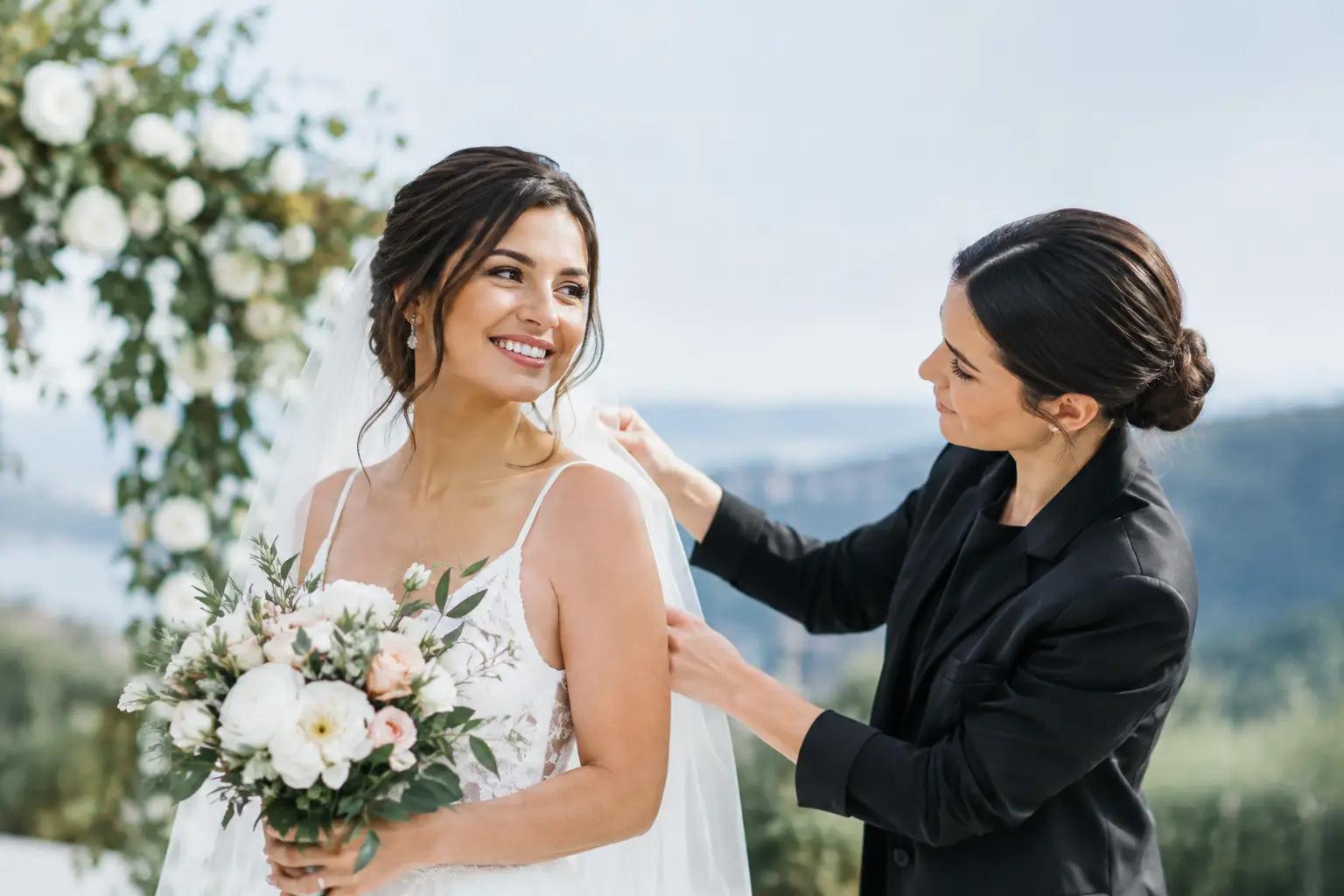
A summer ceremony is five minutes from beginning when the sky changes color. A boutonniere goes missing. The shuttle is delayed by road construction. None of these moments have to become the story of your wedding day. Thoughtful wedding contingency planning gives you something better than a rigid backup plan: a team and a clear path forward when real life shows up.
The goal is not to predict every possible problem. It is to make a few smart decisions early so you, your partner, and the people you love can stay present when plans need to shift. The most memorable weddings still feel personal and joyful, even when the weather, timeline, or logistics require a little flexibility behind the scenes.
Why Wedding Contingency Planning Brings Peace of Mind
A contingency plan is often mistaken for a long list of worst-case scenarios. In reality, it is an agreement about priorities. If rain moves your ceremony indoors, what needs to remain true for the moment to still feel like yours? If family photos run late, which reception events can move without making guests feel rushed? If a vendor has an unexpected issue, who has the authority to make a decision quickly?
For most couples, the answer begins with protecting the guest experience and the emotional moments that matter most. Your vows, a comfortable place for loved ones to gather, a welcoming meal, and time to celebrate together matter more than whether every detail happens at the exact minute originally printed on the timeline.
This is also where a supported venue experience makes a meaningful difference. Rather than asking a couple, parent, or wedding party member to monitor radar, call vendors, rearrange furniture, and direct guests, an experienced team can manage those moving pieces with care. At A View Venues, that hands-on coordination is part of the philosophy: your celebration deserves partners who are ready to help, not people who simply point out a problem.
Start With the Decisions That Cannot Wait
The most useful plans address decisions that become difficult under pressure. Weather is the obvious example, especially for outdoor ceremonies or cocktail hours, but it is only one part of the picture.
Create a weather plan with a real decision time
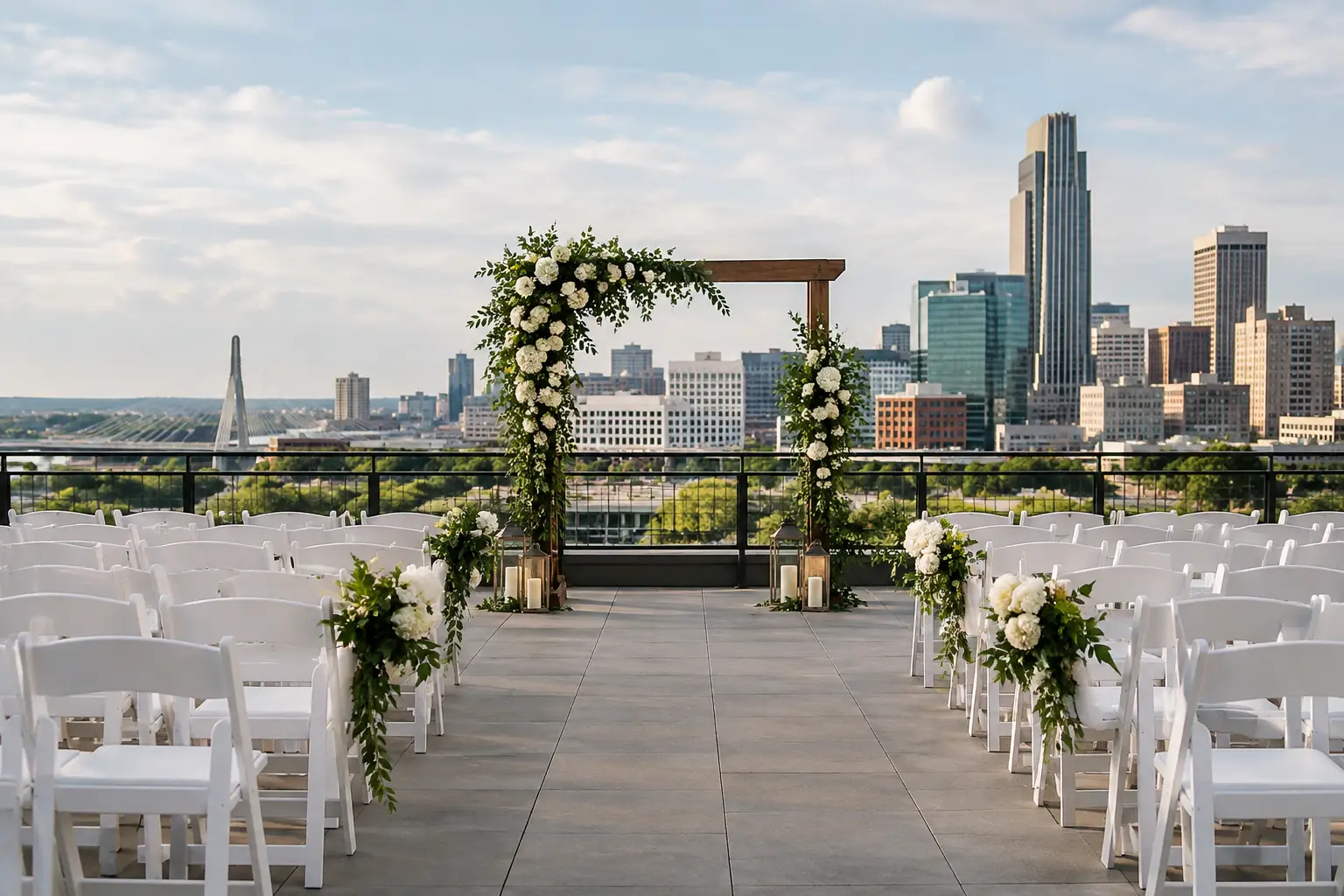
If your wedding includes any outdoor element, identify both Plan A and Plan B while you are still designing the day. Visit the indoor alternative during your venue tour and picture it fully dressed for your ceremony, not as a lesser option. Ask where guests will enter, where musicians or speakers will stand, how the aisle will work, and what décor can move easily.
Then choose a weather decision deadline. A morning decision may be practical for an afternoon ceremony, while an earlier call may be necessary if a rental company, florist, or transportation provider needs extra time. Your venue coordinator can help set a deadline based on the setup required and the forecast, rather than on wishful thinking.
It helps to decide in advance who receives the update. Your wedding party, photographer, officiant, transportation contact, and immediate family may need to know right away. Guests generally need a simple, calm message, especially if the ceremony location changes. A wedding website, group text, or designated family contact can handle this without creating a flood of calls to the couple.
Remember that weather plans should account for comfort, not only rain. In eastern Nebraska, heat, wind, mud, cold, and sudden temperature drops can affect an outdoor event just as much as a storm. Offering water, adjusting photo timing, providing a covered gathering space, or moving part of the evening indoors can be the difference between guests enduring an event and enjoying it.
Build breathing room into your timeline
A beautiful wedding day needs rhythm, but it also needs margin. Hair and makeup can run long. A parent may need an extra few minutes before family portraits. Traffic can change an arrival time. Without any flexibility in the schedule, one small delay can affect dinner service, speeches, sunset photos, and the end of the night.
Work with your coordinator and vendors to identify the fixed points: ceremony start time, dinner service, venue access, transportation departure, and any contracted end time. Then add small pockets of breathing room around getting ready, travel, photos, and the transition from ceremony to reception.
This does not mean your day should feel overplanned. It means the timeline has room for a private pause after the ceremony, an unhurried hug with a grandparent, or a few minutes to reset before your entrance. Couples often remember those unscheduled moments as clearly as the planned ones.
Prepare Your Vendor Team to Respond Together
A contingency plan works best when each vendor understands both their role and the chain of communication. Your photographer may need to adjust a portrait location. Your florist may need to secure arrangements for wind. Your caterer needs accurate timing if the ceremony starts late. Your DJ or band can help fill a transition with the right energy while guests wait.
Share a final-day contact list with the people who need it, including your venue coordinator, planner if you have one, caterer, photographer, entertainment, officiant, transportation provider, and a trusted family representative. Ask vendors to direct operational questions to your coordinator or designated point person, not to you while you are getting ready.
It is also wise to discuss vendor backups before signing contracts. A professional vendor should be able to explain how they handle illness, equipment trouble, transportation delays, or an emergency. The answer does not need to be dramatic. You simply want confidence that there is a process, whether that means an associate photographer, replacement equipment, a staffing network, or a clear plan to communicate quickly.
Protect the Details That Make the Day Feel Like You
Not every contingency needs to involve a major change. Some are small, practical preparations that protect the details you care about. Keep ceremony readings and vows printed in more than one place. Have a trusted person hold the marriage license and rings. Pack a small personal kit with safety pins, stain remover, fashion tape, pain reliever, tissues, and a phone charger.
For décor, think about what is truly essential and what can flex. If candles cannot be used in a particular location, would votives, warm lighting, or floral accents create the same feeling? If wind makes a welcome sign unstable, can it move inside or be placed on an easel with additional support? These are not compromises in the emotional sense. They are thoughtful adaptations that preserve the spirit of your vision.
If you are incorporating heirlooms, custom signage, a cultural tradition, or sentimental items, name a specific person responsible for each one. Vague instructions such as “someone should bring the card box” create stress. Clear ownership gives everyone confidence.
Give Someone Else Permission to Make the Call
One of the kindest things you can do for yourselves is decide who can make day-of operational decisions. That person might be your venue coordinator, wedding planner, or a grounded family member who knows your priorities. Give them guidelines ahead of time: protect the ceremony, keep guests comfortable, preserve photography time where possible, and do not interrupt the couple unless a decision truly requires them.
This is especially helpful when preferences conflict. You may want to wait for the rain to pass, while your caterer needs a clear dinner time and elderly guests need to be seated. There is rarely one perfect answer. A trusted coordinator can weigh the conditions, the timeline, and your stated priorities, then communicate the plan with confidence.
That confidence is contagious. When guests see staff calmly opening an alternate ceremony space, adjusting seating, or guiding them to cocktail hour, they do not experience chaos. They experience hospitality.
Keep the Plan Flexible, Not Fearful
There is a line between being prepared and spending months anxious about every possibility. Focus your planning energy on scenarios that are reasonably likely or that would have a meaningful effect on guests: weather, timing, transportation, vendor communication, and personal essentials. Let the tiny, unlikely variables stay small.
A final planning meeting is an ideal time to walk through the day from arrival to farewell. Ask where gifts will go, what happens if rain arrives during photos, when vendors can load in, how late arrivals will be guided, and who handles décor at the end of the evening. Hearing the answers out loud replaces assumptions with reassurance.
Your wedding day should leave room for the unexpected laugh, the happy tears that delay the processional, and the photo your family will treasure because it was never on the shot list. Plan for the practical pieces, place the logistics in capable hands, and give yourselves permission to be fully present for the celebration you came to have.